Topics: Genocide
Exhibitions
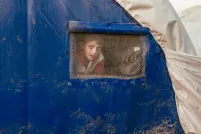
Nobody’s Listening
April 2027 - January 2028
A multimedia exhibition that brings together survivor testimony, art, photography and an immersive virtual reality about the 2014 Yazidi genocide and its legacy.
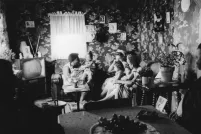
Dimensions in Testimony
Fridays and Saturdays at 1:15 p.m. (English) and 2:15 p.m. (French). Times are subject to change.
Interact with two Holocaust survivors using innovative technology that allows you to ask questions and get real‐time responses. Now and into the future, museum visitors, including students, will be able to converse with these eyewitnesses to history.
Stories
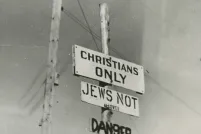
Canada, antisemitism and the Holocaust
By Jeremy Maron
Widespread antisemitism in Canada in the 1930s and 1940s kept the nation’s borders closed to Jews trying to escape the Holocaust.
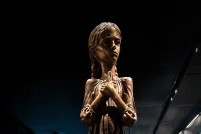
Covering the Holodomor: Memory Eternal
By Jeremy Maron
Explore the role of journalists and the media in hiding and revealing the story of the genocidal famine in Ukraine engineered by Josef Stalin.
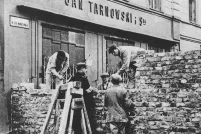
Us vs. Them: The process of othering
By Clint Curle
Explore the relationship between othering, human rights violations and the process of genocide through the lenses of the Holocaust and the Rohingya genocide.
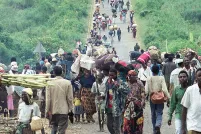
What led to the genocide against the Tutsi in Rwanda?
By Jeremy Maron
Learn how division, dehumanization and incitement of hatred set the stage for genocide.
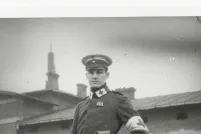
Armin Wegner: Witness to the Armenian Genocide
What does it mean to stand up for human rights? Read the story of a medic who risked his own safety to document the evidence of atrocity.